The Worst Advice We've Heard About Electric Stove
Three Types of Electric Stoves A lot of homebuyers prefer gas stoves that can give a professional appearance to kitchens. However, if you live in a region that does not have a natural gas line, an electric stove can be a good option. Electric stoves (also known as ranges) use 240-volt outlets to generate heat that is used to cook food. Coil-top stoves have exposed coils of metal; glass-top models use heating elements under a flat, ceramic surface. 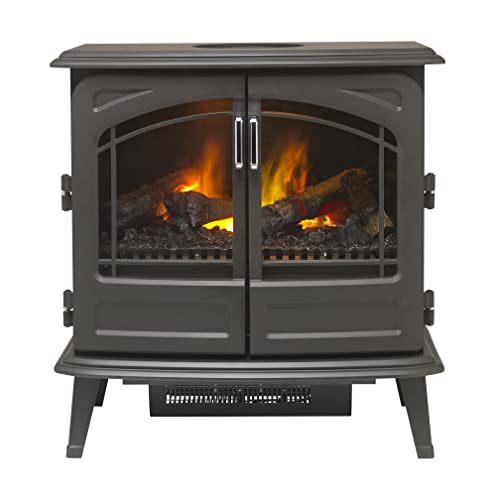 Types Electric stoves are available in different styles. They can be freestanding with burners on top and a oven underneath or they can be flat-top models that just include burners on the cooktop. They also can have exposed coils as well as smooth glass or ceramic surfaces and induction stoves that utilize magnetic fields to heat the pans directly. The three types of electric stoves operate very similarly. You must carefully look at the pros and cons of each type before deciding which one is the best for you. Coil-top stoves are made of exposed metal coils that are powered by 120 voltages of electricity to produce heat to cook. The coils radiate heat to the iron hotplates where the cookware is placed. Early models used resistive heating coils, however modern models use composite elements with the resistive wires enclosed in hollow metal tubes stuffed with magnesite to support and distribute the heat more evenly. They can be sturdy and reliable, however they are more difficult to maintain than stoves with a glass or radiant top. Food can easily clog the drip pans or coils and hotplates can be damaged by pots that are dropped on them or spills that are not cleaned up immediately. Another drawback of coil-top electric stoves is that the heating element requires some time to reach its full temperature once it is turned on, which may slow cooking time and can also increase the chance of overcooking when the stove is left on the stove after it is shut off. Coils can also stay hot for several minutes after the burners are turned off, increasing the chance of burns when you touch the surface of the stove when it's still warm. Gas stoves are a fixture in many kitchens, and they provide instant heat and better temperature control than electric models. However, they can be costly to operate in homes with natural gas lines and can be dangerous in the absence of proper ventilation. Gas stoves are also linked to asthma in children, as per studies. In the near future, more strict rules will likely force people to switch to electric stoves. Safety Stoves can be among the most dangerous appliances in your home if not utilized correctly. If you're considering installing an electric range, it's essential to know what the appliance does and what safety precautions need to be taken to avoid fires or accidents. Electric stoves employ coils to heat food with electricity, which is safer than gas as there is no open flame. Electric stoves should be carefully watched as they may cause fire if the temperature is too high or if there are loose connections. The best way to avoid this is to make sure that the knobs have been turned off prior to leaving the room. You can also use a thermometer to check the temperature of your food. Many electrical stoves can detect the presence of burners which can prevent accidents and burns. If your stove is equipped with this feature, it will sound a beep or flash a warning if it is accidentally turned off or left on. This is especially useful for those who live alone or suffer from cognitive impairment that may not remember to turn off the stove. electric fireplaces stoves and pets are also at risk of fire or burns when using an electric stove. Fortunately, there are various third-party child safety products available to help keep your family safe, such as knob covers that lock to the stove and strap locks for oven doors. If you're concerned about the environment you can purchase a stove which uses renewable energy, or comes with an Energy Star rating. These stoves are usually more expensive than regular ones but will save you money over time by using less power. It is crucial to examine your stove for any signs of rust or surface damage. In addition, it's an ideal idea to clean the area behind the stove and inside the oven every now and then to make sure that dust and debris do not build up. It is also a good idea, to clean the filters frequently to reduce dust in the air. Cooking Electric stoves employ a heating element beneath the burner, which is different from gas stoves which use a flame. The ceramic surface around the hot element transfer heat from the element to the cookware. This is then used to cook food. Electric stoves also have more heat settings, allowing users to precisely control the cooking process. However there are a few things to take into consideration when using an electric stove. For instance, it could take longer for the pan to reach its desired temperature than other stoves. This could cause issues for recipes that require precise cooking times. It is recommended to transfer the pan onto another burner once the desired temperature is reached, or use lower temperature settings. It is also essential to know which cookware is best for electric stoves. It is recommended to use steel pans and pots that have flat bottoms. Avoid using round woks and metal pots as they can cause uneven heating. Glass and ceramic cookware are vulnerable to damage due to high temperatures, therefore it is not recommended you use them on an electric stove. One thing to note is that the heating element will turn off and on throughout the cooking process. This is to help keep the temperature in check and avoid overheating, according to LG and GE. It is more often in low-temperature settings, but it can occur even if the burner is turned to full. This can be a minor nuisance but it will not affect the cooking process. The main benefit of electric stoves over gas is that they're less polluting. Gas stoves emit harmful air pollutants, such as nitrogen oxide (NOx), which has been linked to asthma in children, and can harm the health of the heart and brain development. Electric stoves on the other hand, make use of energy from renewable sources and can lessen cooking's environmental impact. Electric stoves are becoming increasingly popular among cooks at home and are used to replace gas appliances in new homes or remodeling projects. Installation Electric stoves are often referred to as ranges and can be powered either by natural gas or electricity. They can also be stovetop-only model or a combination of oven and stovetop. Electric stoves can be set up in homes with or without a gas line that is specifically installed but in some instances a professional may need to install a gas line in order for the stove to work properly. Whatever the case, whether you're installing a brand new electric stove or converting to one, it is important to follow the guidelines that are provided by the manufacturer as well as any local codes that might apply. Be sure to turn off the breaker on your electric stove before you begin any electrical work in your home. This will help prevent overloads and fire hazards. You can also make use of a voltage tester in order to make sure that the outlet you will use to power your stove has the right voltage and amps. A 250-volt circuit with 40-50 amps of outlet is typically required for continuous operation, based on the total wattage. Installation instructions for full-time stoves usually include a chart that can assist you in determining the minimum requirements for your specific model. Electric stoves make use of heating elements to cook food. These are surrounded by a glass or ceramic surface that allows the heat to move through the coils of metal to cook the food. The temperature settings on electric stoves are precise, which makes them perfect for those who prefer cooking with precision. Electric stoves can also be a good alternative for those who do not want to deal with the mess caused by gas stoves or are concerned about the possibility of leaks. A professional should be consulted when doing electrical or plumbing work in your home, especially when it involves high voltages or gas lines. A minor error could cause serious injury or even death. A licensed electrician is able to fix or install any kitchen appliance including an electric stove, in a safe and quick way. They can also offer assistance on the most suitable stove for your needs, and help you find any rebates that might be available.